General Motors / Generative AI
Custom AI, built to render
An AI pilot combining 3D training data, custom LoRA models and ComfyUI workflows.
I independently developed an internal AI pilot to explore a more flexible alternative to conventional automotive accessory photography. The goal was to create realistic imagery across vehicles, environments and seasons, while reducing the need for a new shoot for every variation. I developed the training data, custom models and workflows with the goal of adapting the process for other clients.
- My role
- GenAI Design Lead
Sole researcher and creator - Context
- Internal R&D pilot
Custom model development
- 4 Brands
- Chevrolet · Buick
GMC · Cadillac - $1M
- Annual parts and accessories photography spend, per brand
- 90%
- Accessory sales within the first 12 months of ownership
Custom AI Model Training
The goal was to explore how custom AI models could create realistic vehicle-accessory imagery with greater flexibility than a conventional shoot. The opportunity included changing environments, seasons and lifestyle settings while retaining the accessory’s defining details.
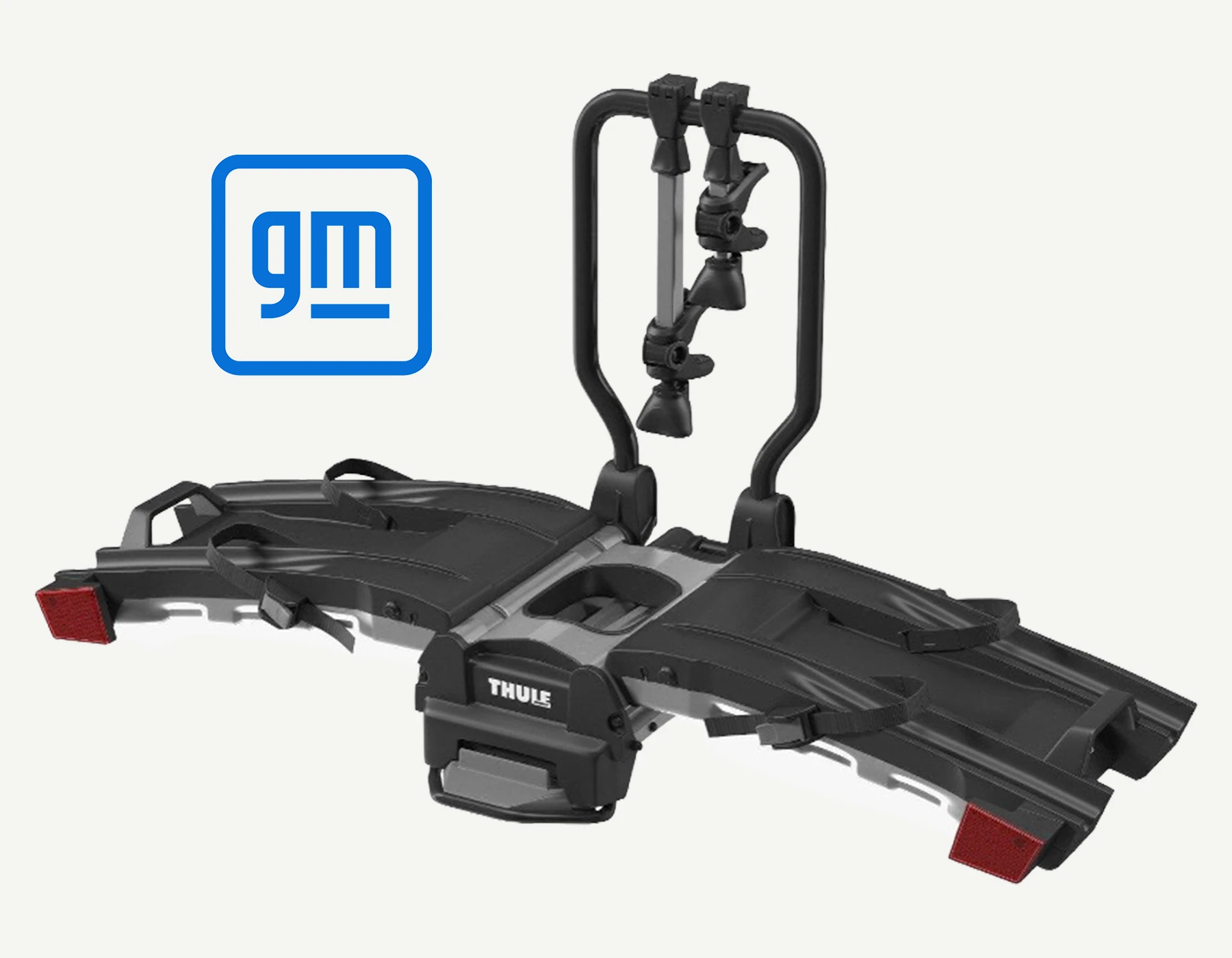
Sourced 3D Model: Thule EasyFold XT
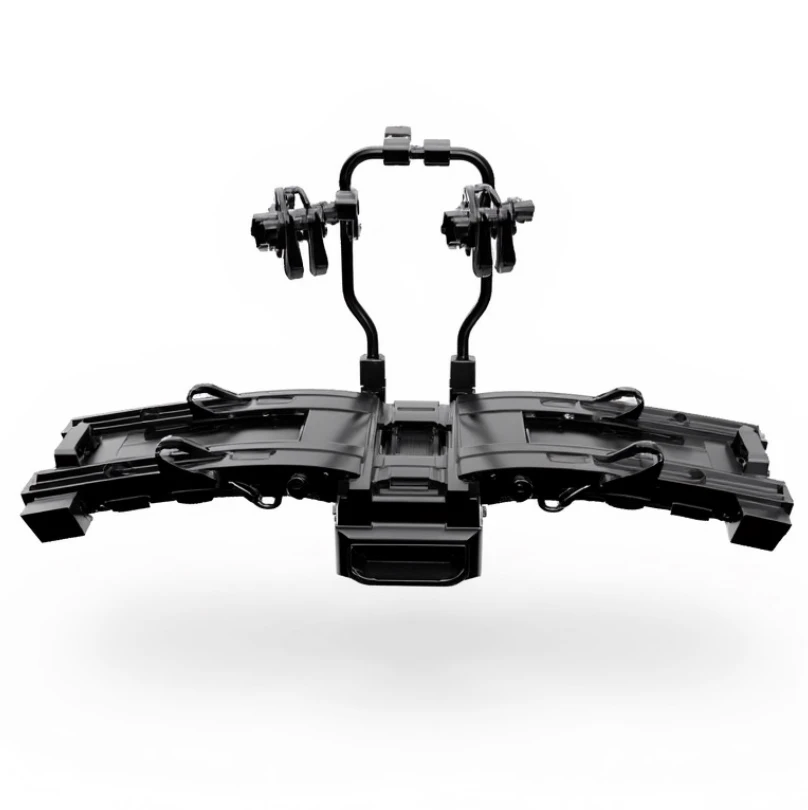
I chose the Thule EasyFold XT bike rack because its intricate geometry made it a demanding test. Using the sourced 3D model, I rendered views from different angles to create the training dataset, then iterated on the custom AI model. The first outputs exposed the challenge of reproducing its complex shape and smaller details.
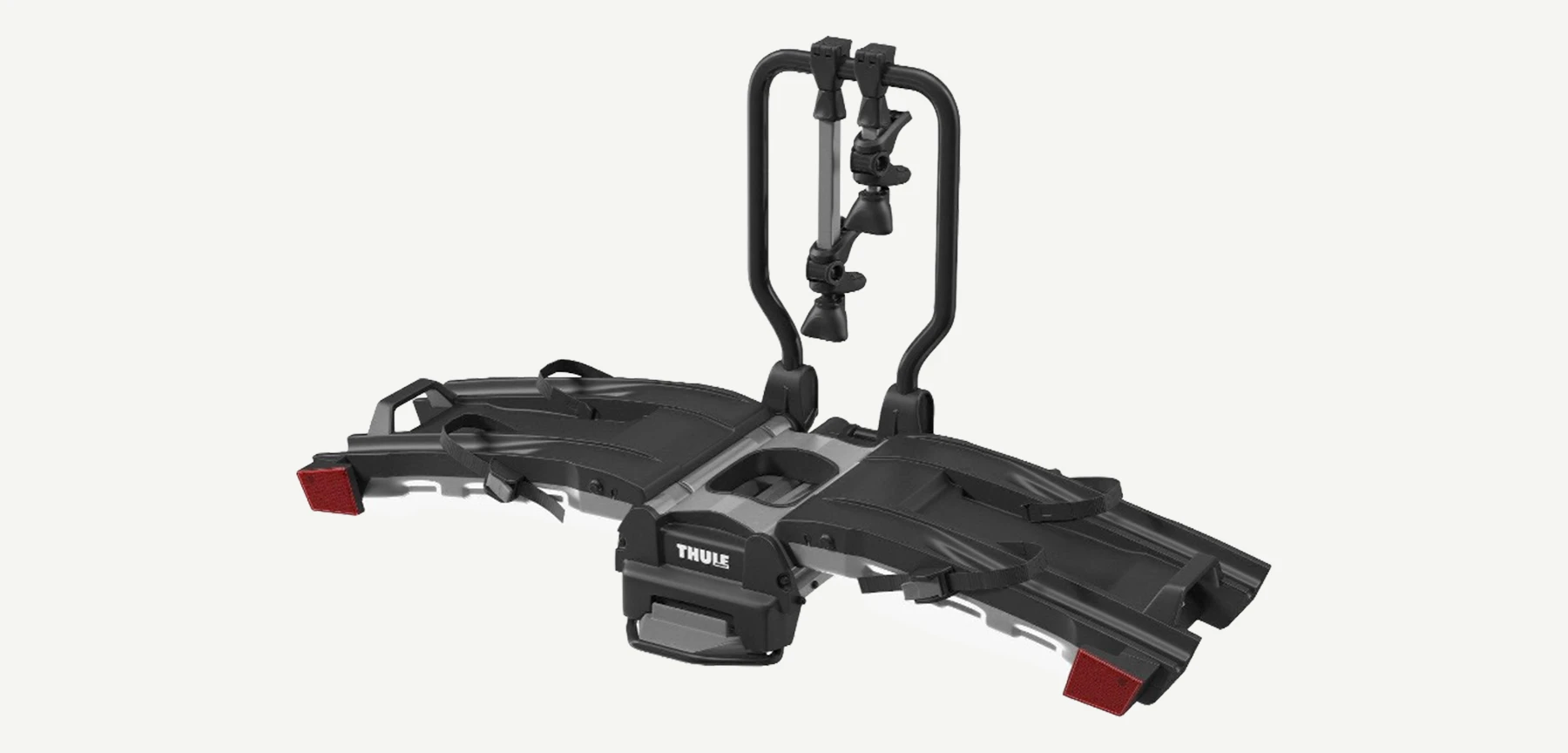
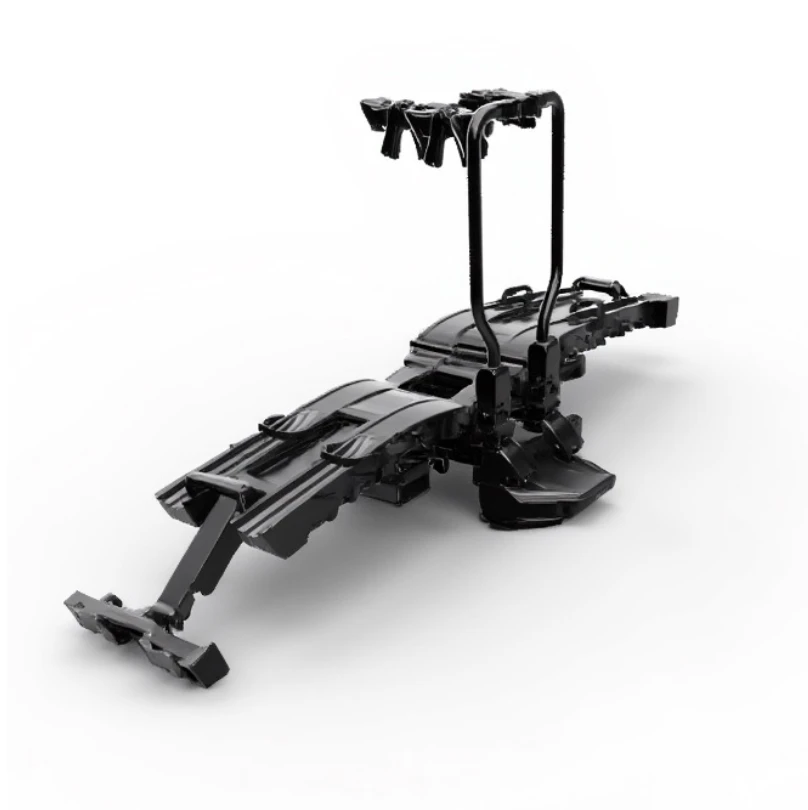
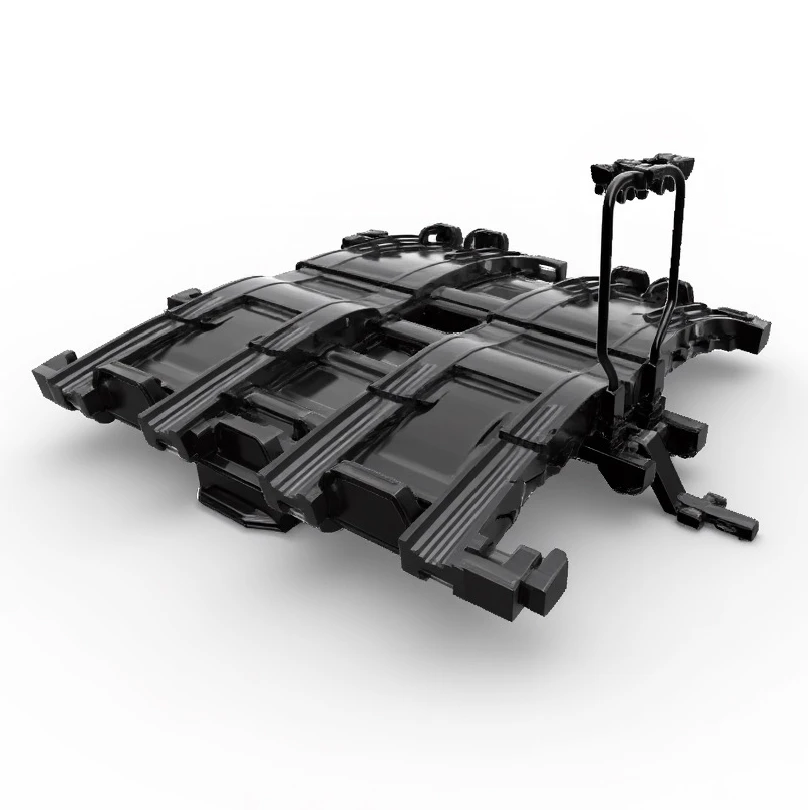
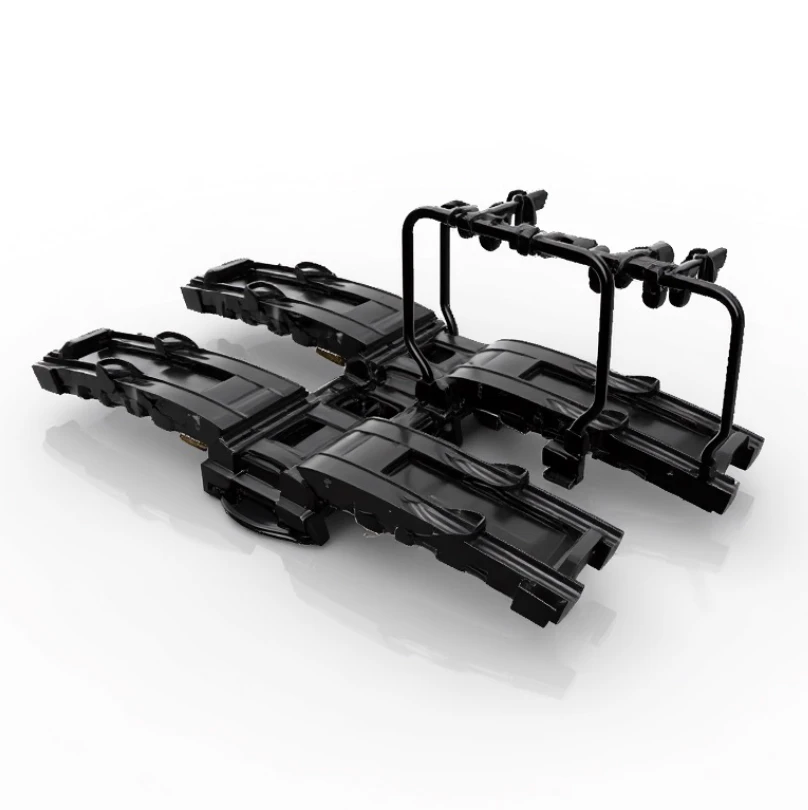
Model Refinement
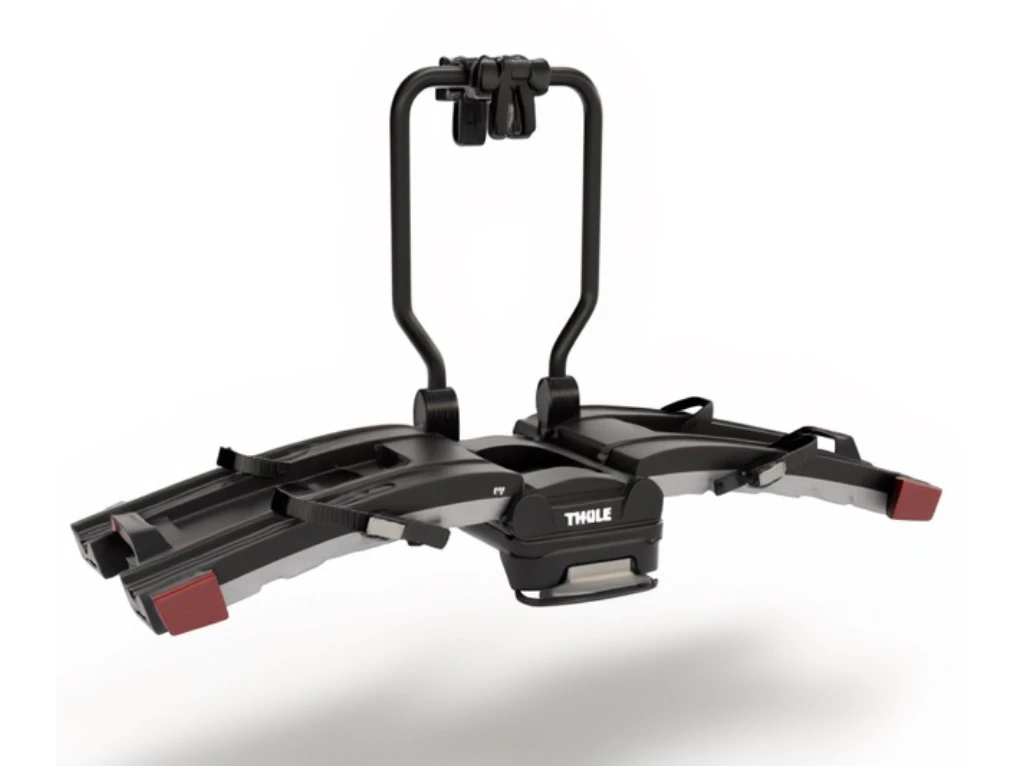
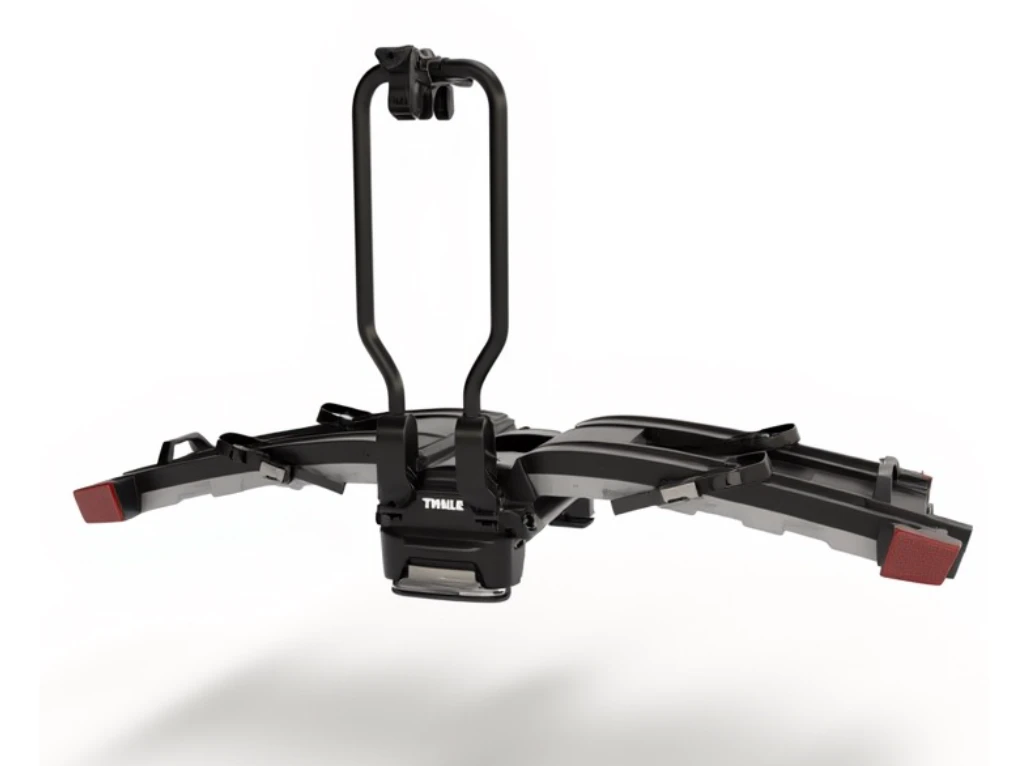
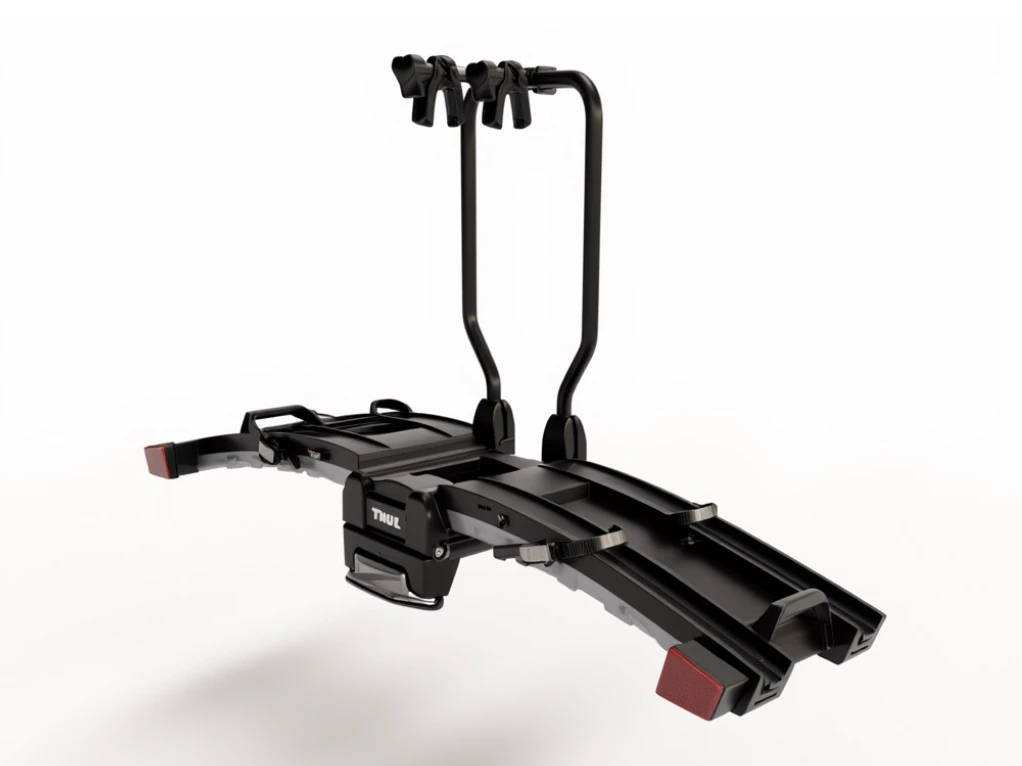
Through refinement of the training data and iteration on the custom model, the later outputs brought the rack’s shape, color and smaller details closer to the source reference. These views show the progression from the early attempts toward a more consistent representation of the rack.
3D Vehicle Model Integration
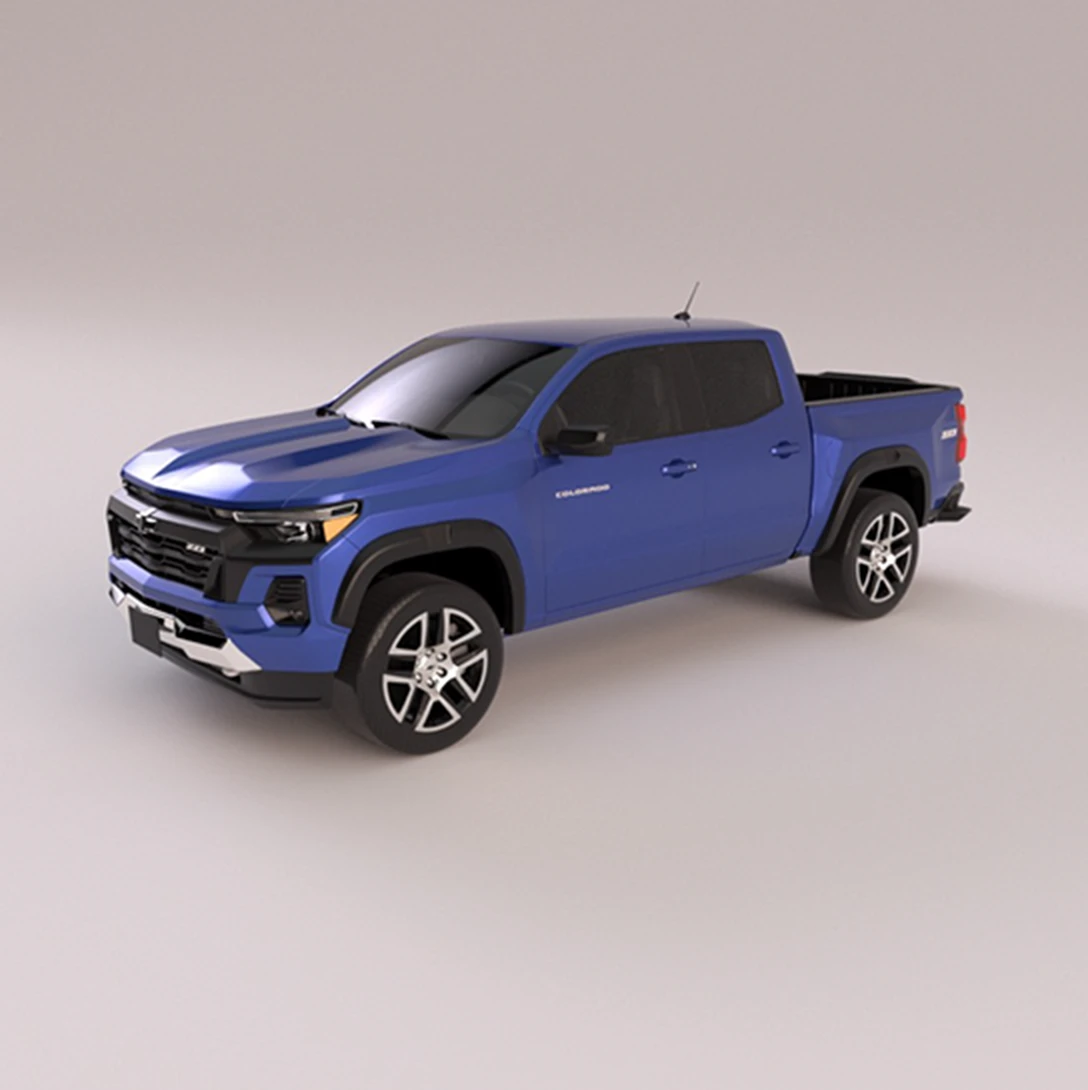
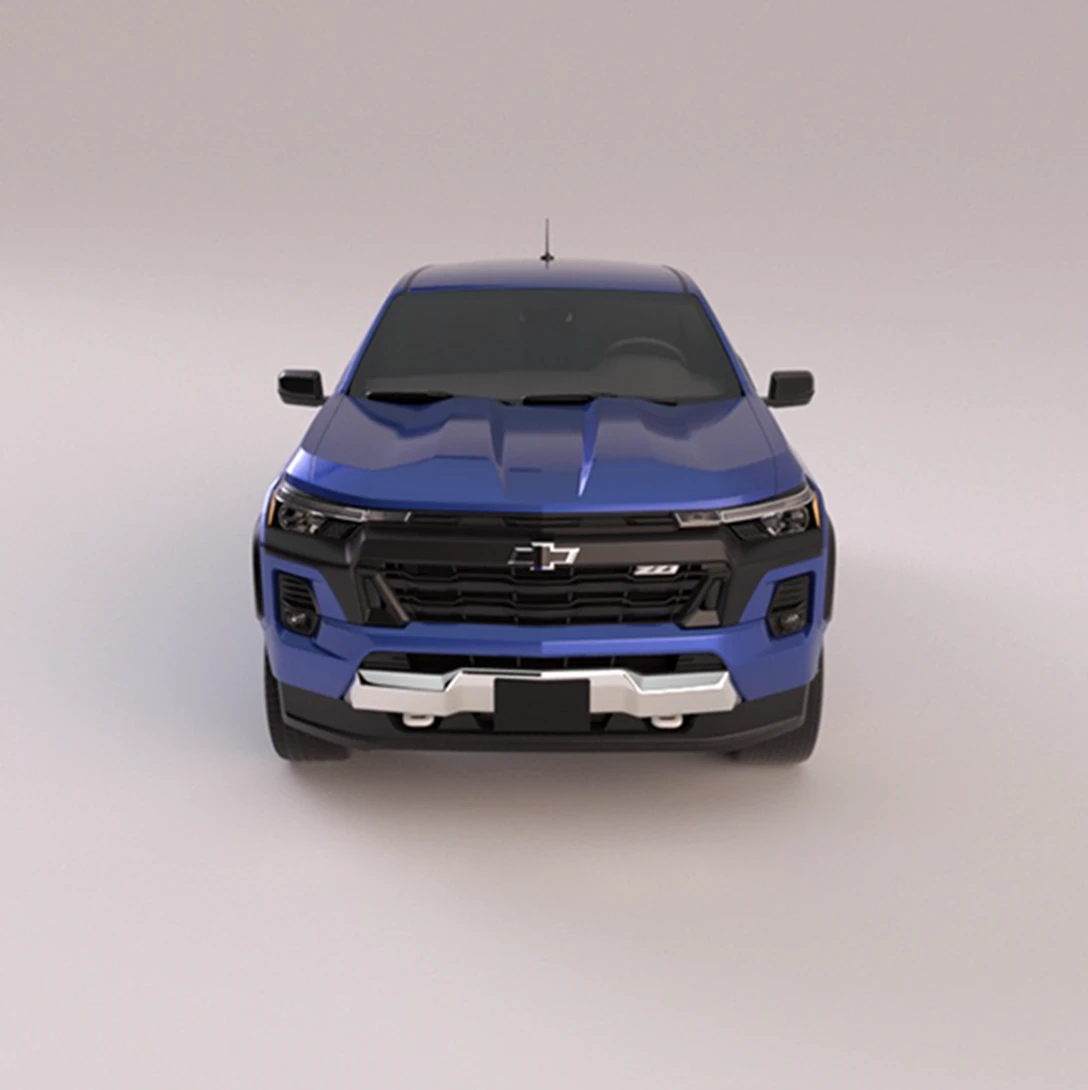
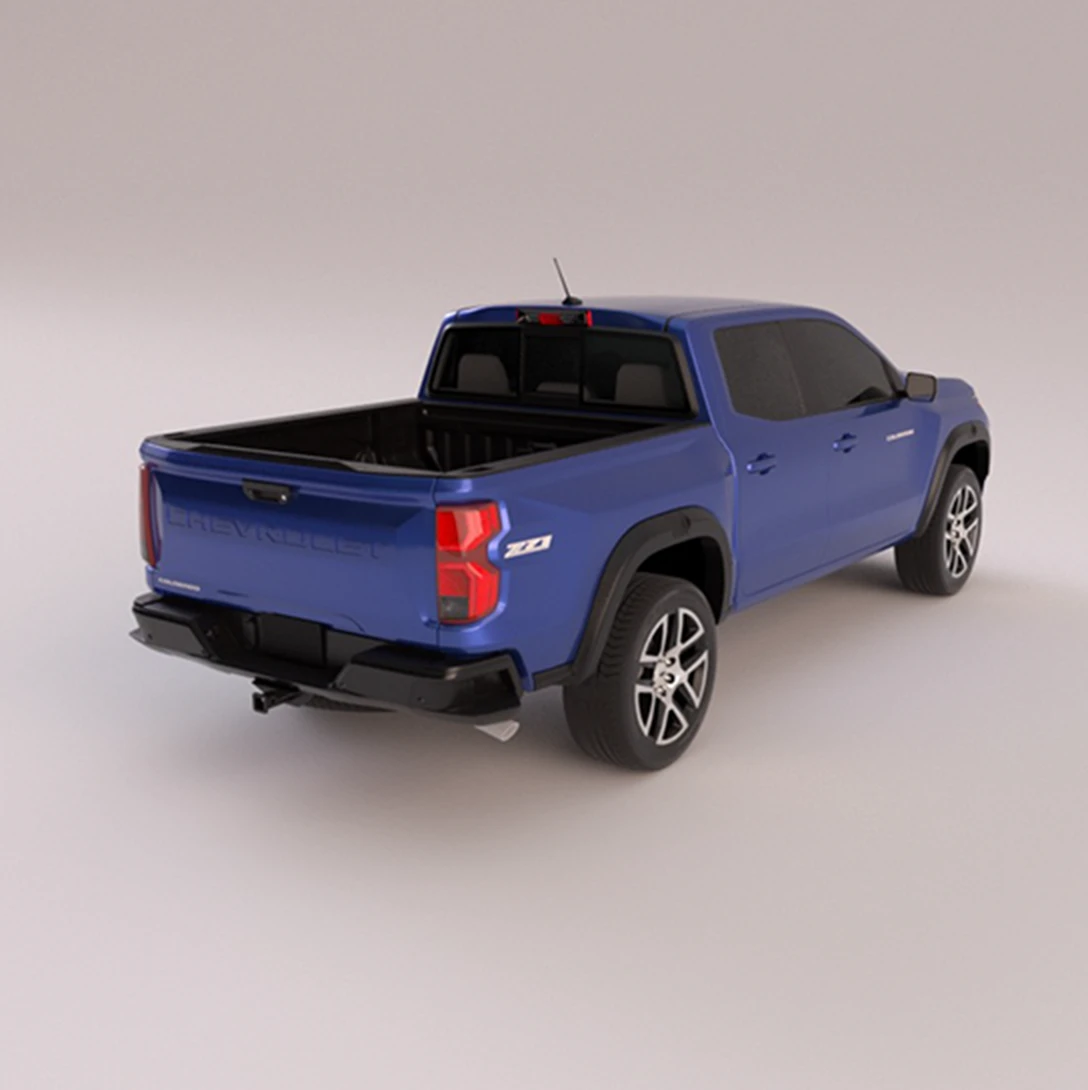
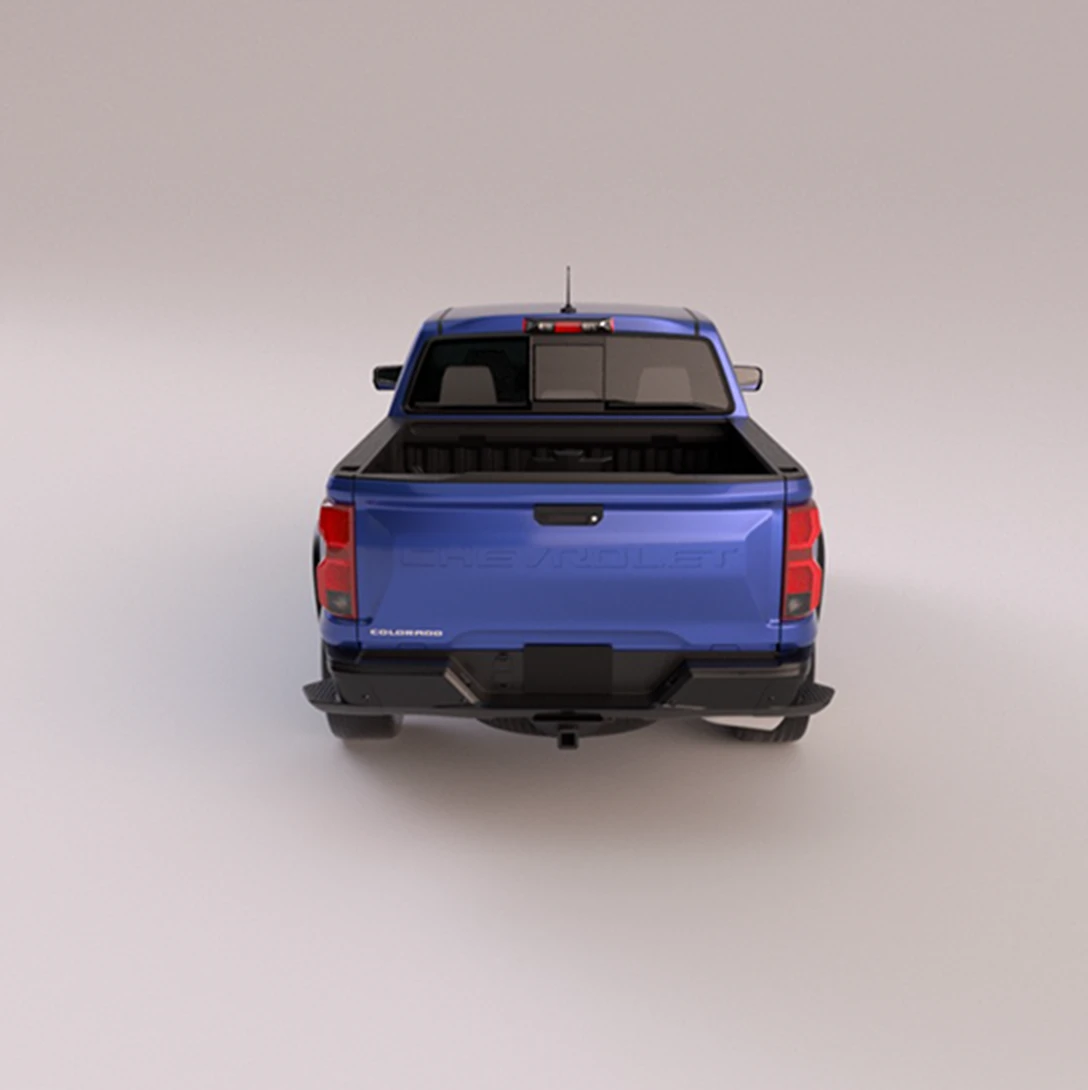
I acquired a detailed 3D model of a GM vehicle to provide the foundation for the next stage. The vehicle-only views established the source material for new training data before the rack was added for combined training renders.
Digital Integration: Combining Rack and Vehicle Models
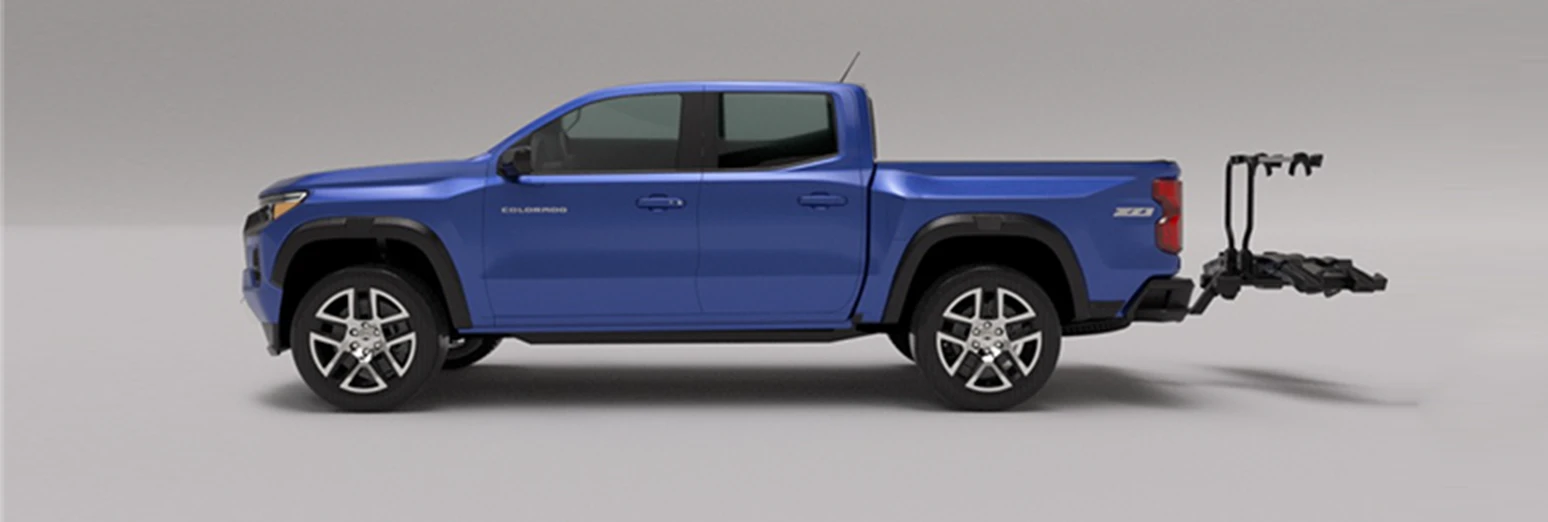
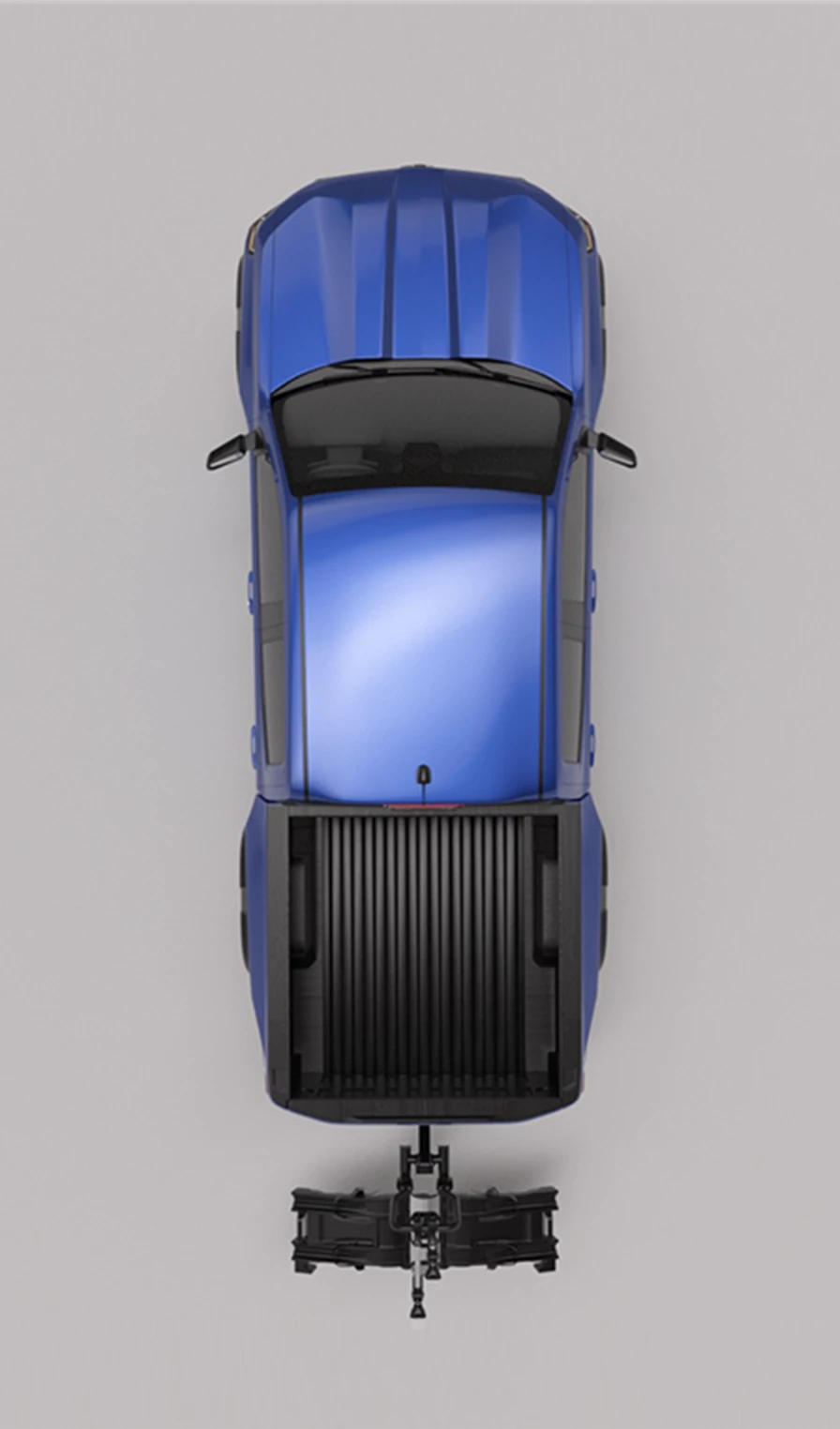
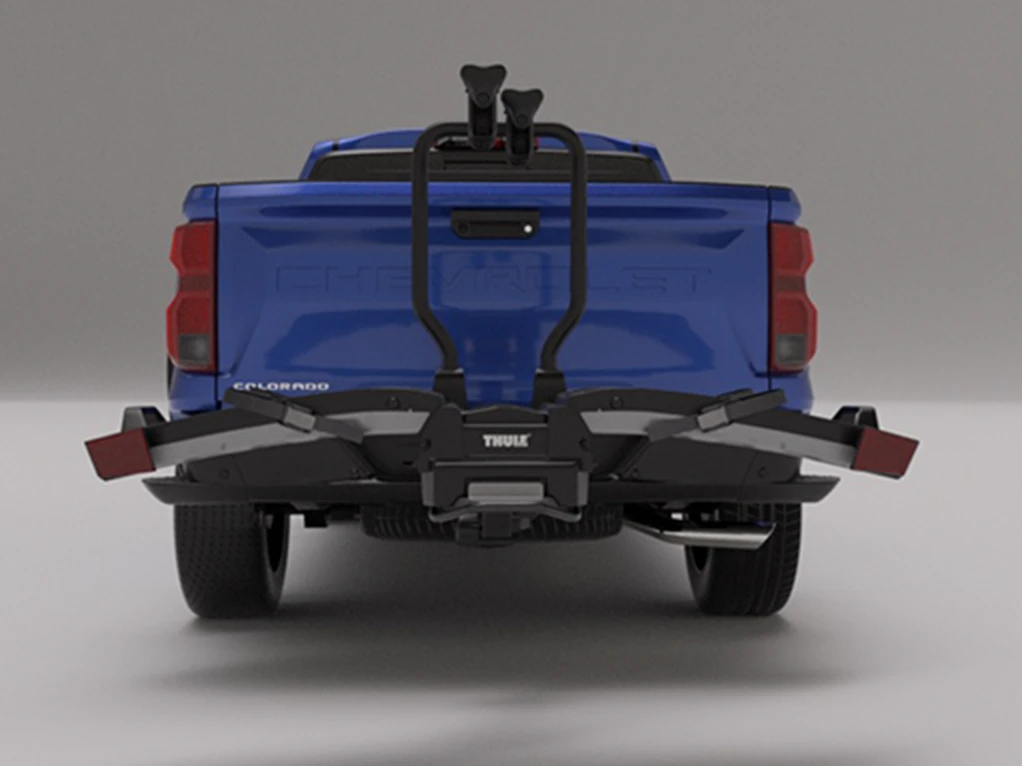
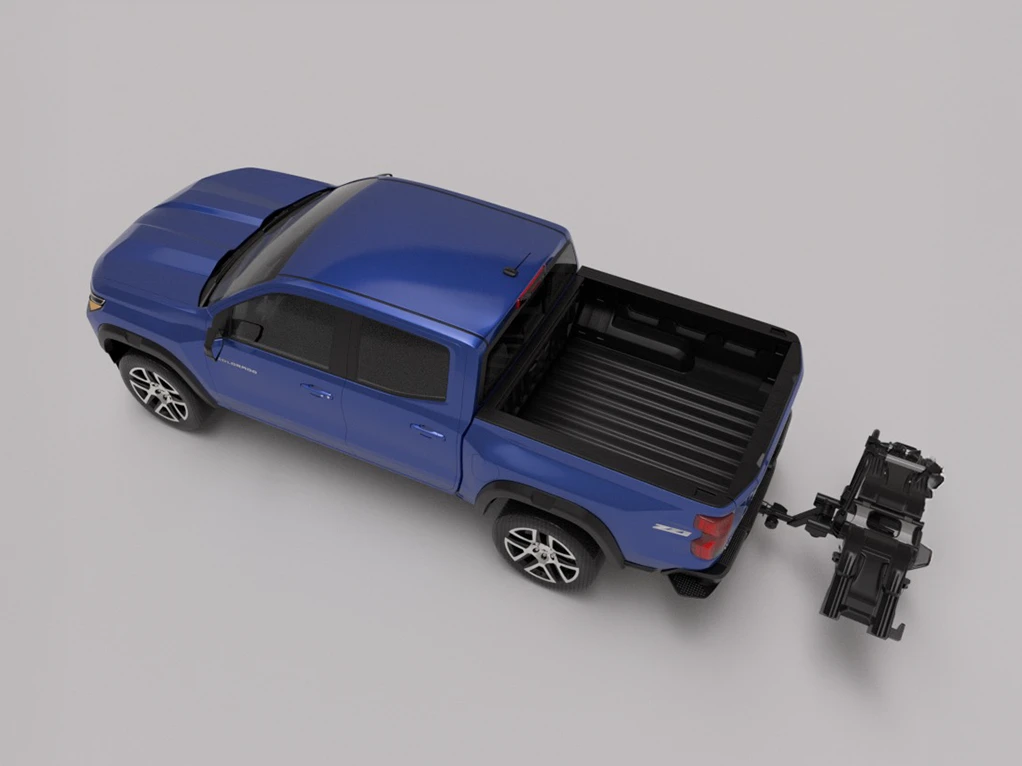
I brought the sourced vehicle and accessory models together in a 3D environment and rendered composite views. Those images became training data for the AI, providing examples of how the rack attached to the vehicle and how the combination appeared from different angles.
Stable Diffusion + ComfyUI
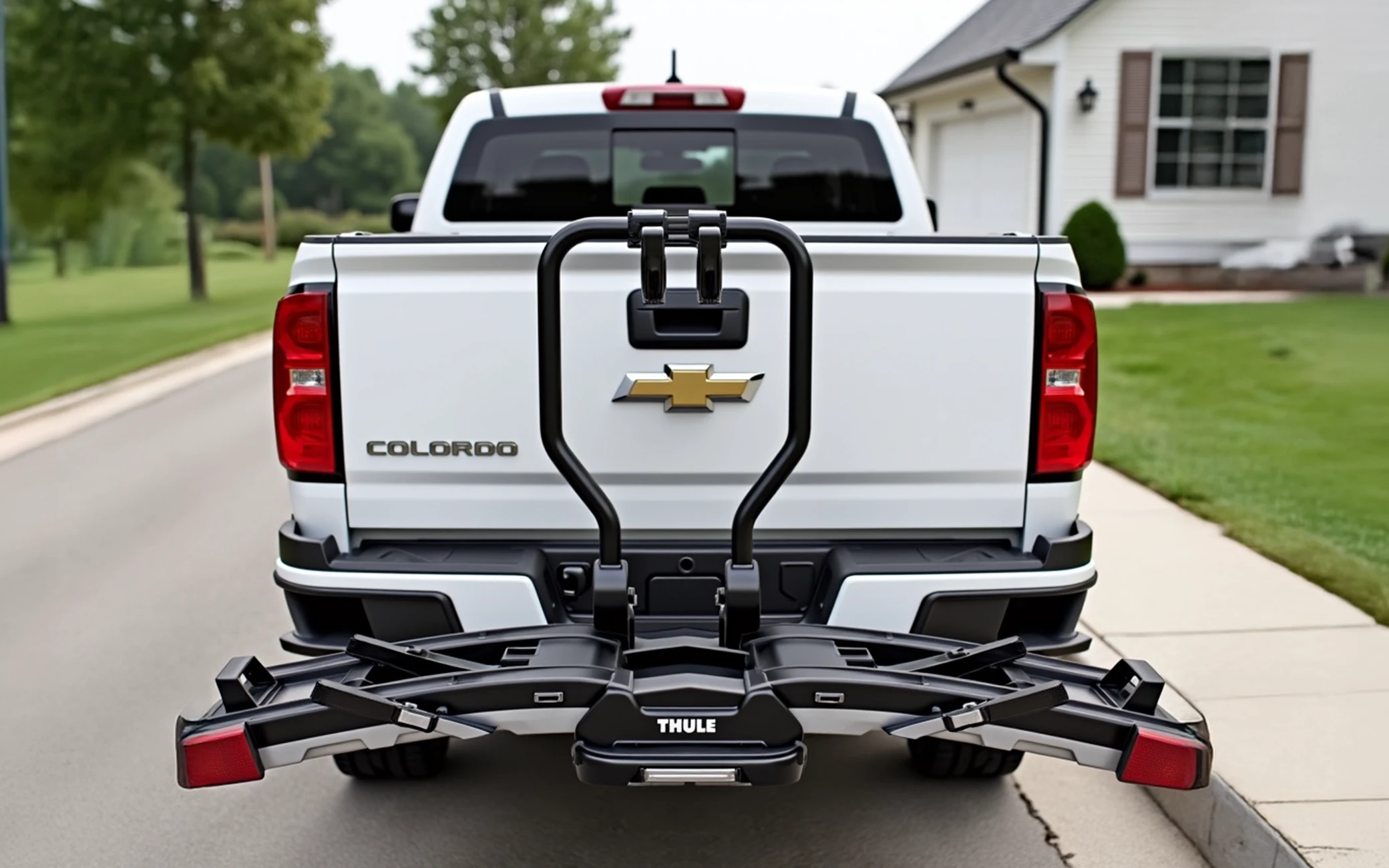
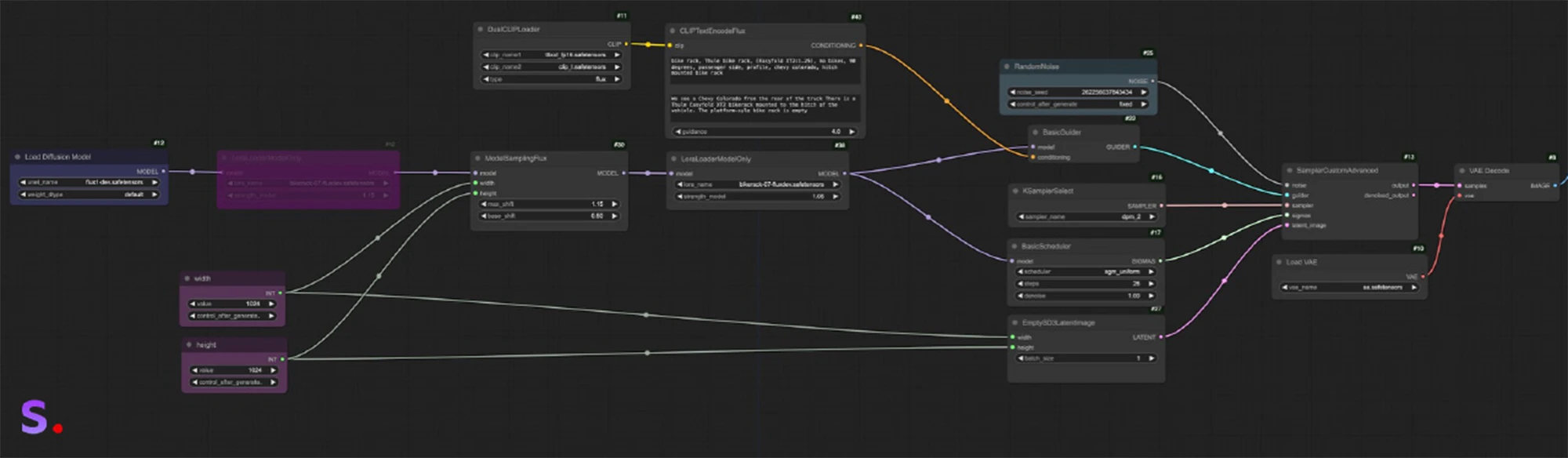
I trained custom LoRA models for Stable Diffusion and connected them within ComfyUI workflows. Combining the models with positive and negative prompts gave me a way to refine the generated scenes, iterate on the accessory’s appearance and work toward more convincing materials and detail.
Progress in Motion:
Early AI-Generated Results
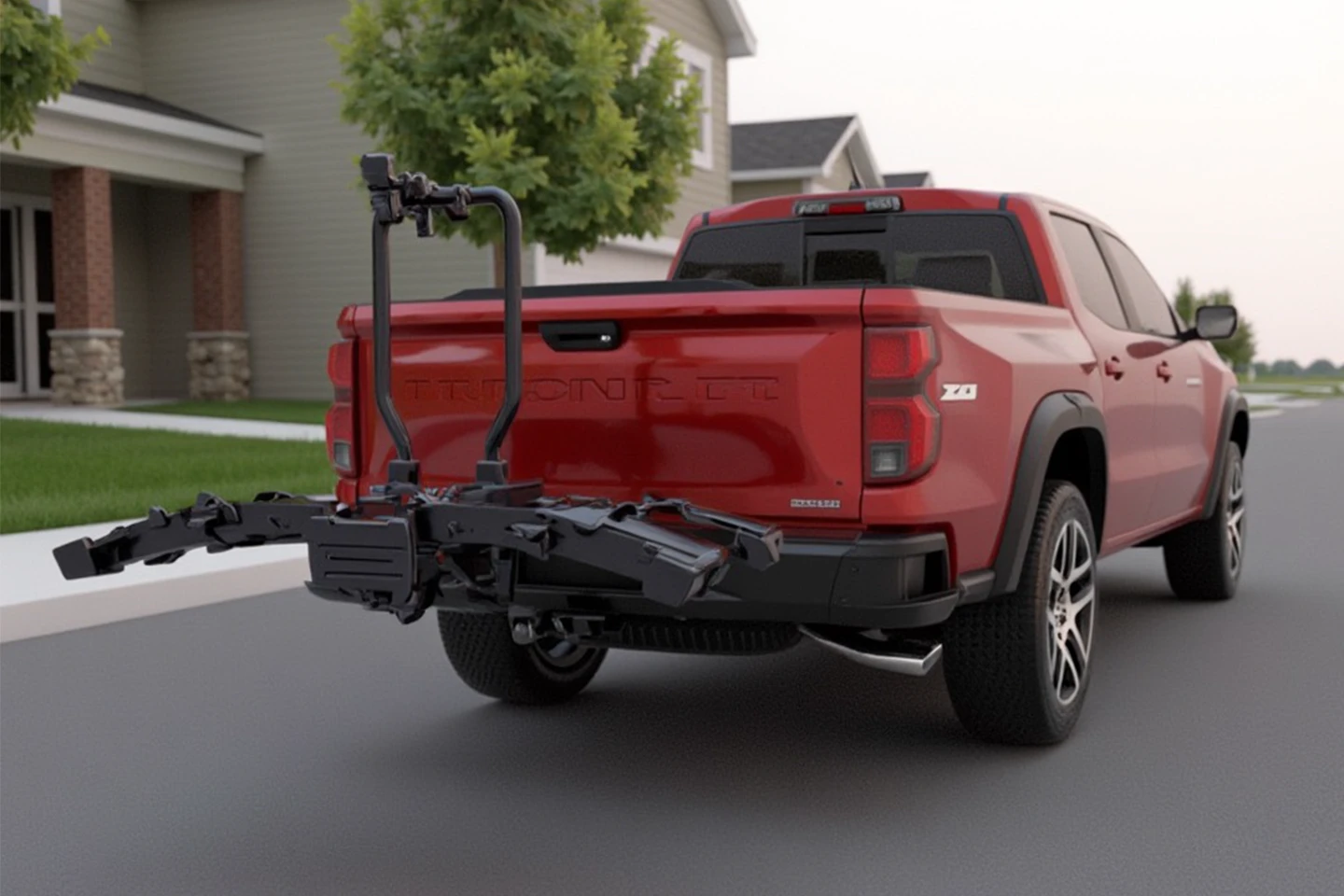
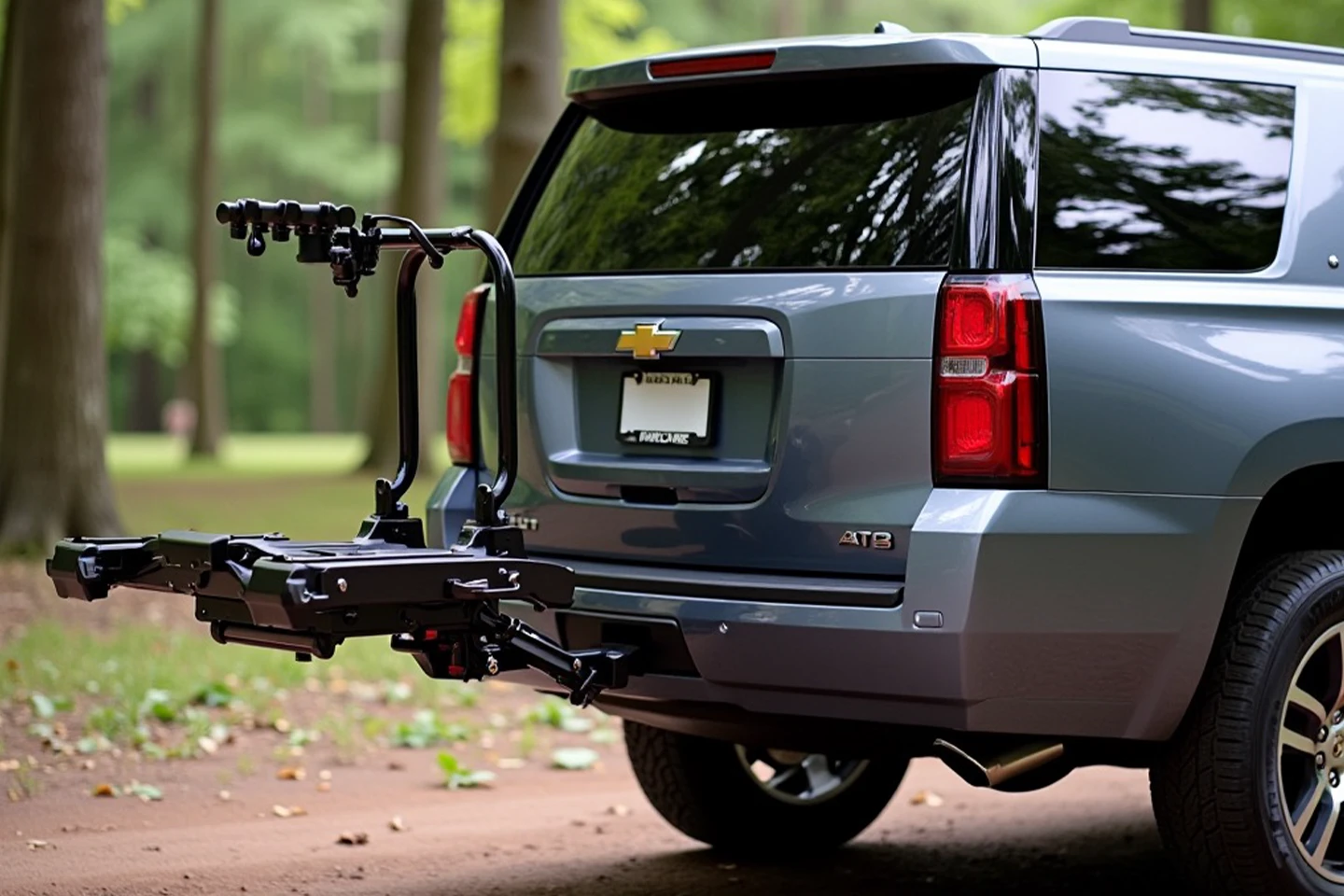
The early generated scenes showed the rack appearing on different vehicles, while exposing remaining issues in reflectors and material finishes. Further iteration focused on those details, moving from the broader scene toward the refined accessory.
Refining the final result
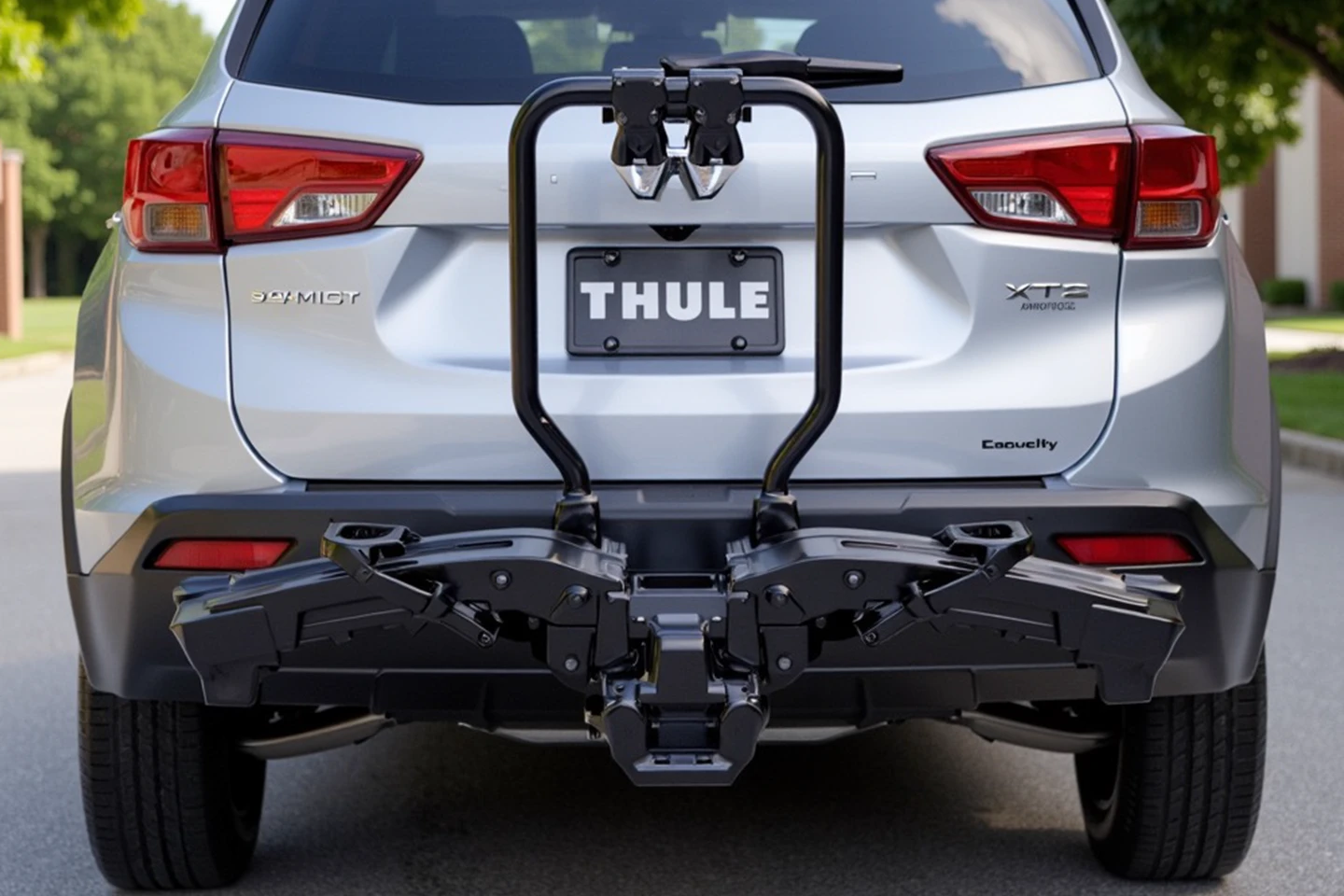
The final example brings the rack’s materials and details into closer alignment with the reference. I presented this work to the client as the result of the internal research and development pilot.